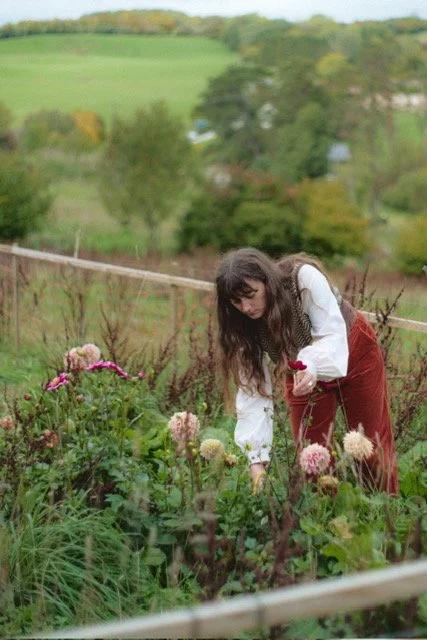
FRAME THE WILD People can feel anxious when it comes to naturalistic gardens. This can be eased with structural, practical features like paths. Creating order with these hard lines allows you to be much more free with plants and the wild aesthetic, making gardens great for people and wildlife. Steve Williams
GO HERBACEOUS Herbaceous perennials are are easy to maintain and will give years – sometimes decades – of interest. Check your soil type, how much sun your plants will receive, and where you want them to grow. Julie Dolphin
GROW YOUR OWN A large patio planter can be home to loads of different vegetables, such as year- round salads, tumbling tomatoes, aubergines, mini cucumbers, carrots and herbs. A weekly seaweed feed will ensure a good crop. Becky Groves
SUCCESSION PLANTING Mixing annuals and bulbs through perennial planting can achieve year-round interest. These plants are usually fast-growing and can fill gaps left by retreating perennials. When blousy perennial roses go over, a display of annual cosmos planted close by extends the sense of romance. Sean A. Pritchard
FOLLOW NATURE Observe what is growing naturally and use it as inspiration. Notice the wildflowers growing through the concrete, or the old wall full of tiny ecosystems. Love things just as they are. Steve Williams
IN A VASE Most flowers self-seed or spread in clumps. Groups of the same flower at different heights can help make your arrangements feel more nature-inspired and create areas of impact and texture. Emma Thistlethwaite